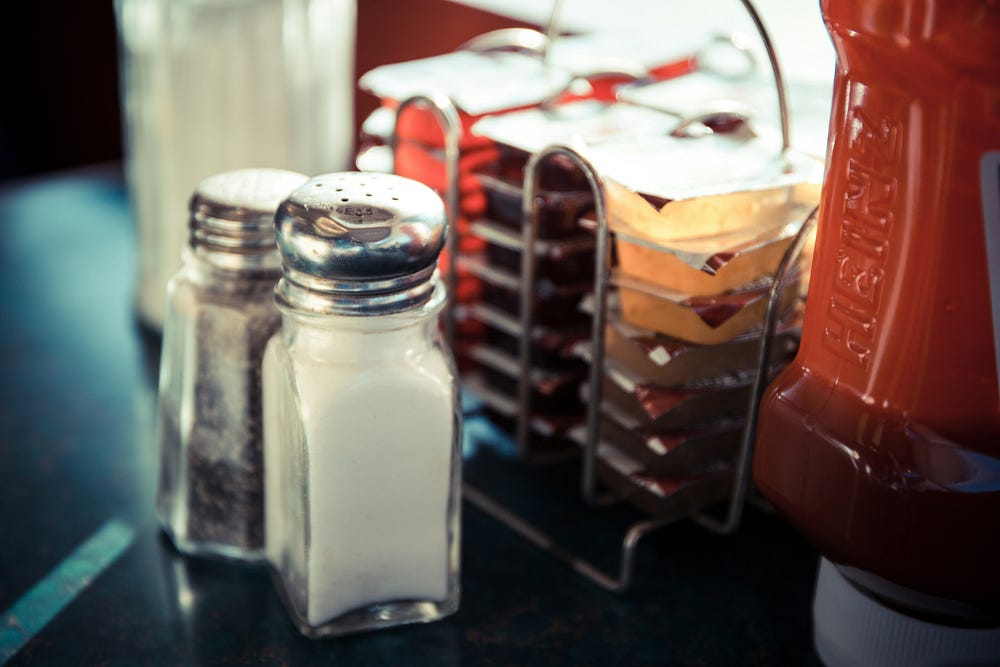
Which salt is better, processed table or natural sea salt?
A lot has been written on the benefits of sea salt and the evils of processed salt. Depending upon which school of thought you research, sea salt has more benefit, the same, or less (many aren’t iodized).
The movement away from processed iodized table salt seems to be gaining in popularity.
There is also a growing trend toward using non-iodized products with some professionals concerned that it will increase iodine deficiency illnesses.
Table salt is bleached and heated during processing and often contains additives such as anti-caking and free flowing agents as well as dextrose, a sugar commonly used to stabilize iodine.
Sea salt is made from evaporated sea water, is less processed than table salt, and contains traces of calcium, potassium, and iron.
There are iodized and iodine free sea salt versions available. Like processed salt, some, not all, iodized sea salt brands may also contain additives.
It’s important to note that although rare, reactions to additives have been noted.
Speaking of salt, what’s the RDA for sodium?
The daily requirement or RDA for sodium is less than 2,300 milligrams. That’s equal to about 1 teaspoon of table salt.¹
Reading product labels for the sodium content helps us avoid over salting our bodies. Many manufactured foods are high in sodium, especially soups and sauces and the added salt is usually not iodized.
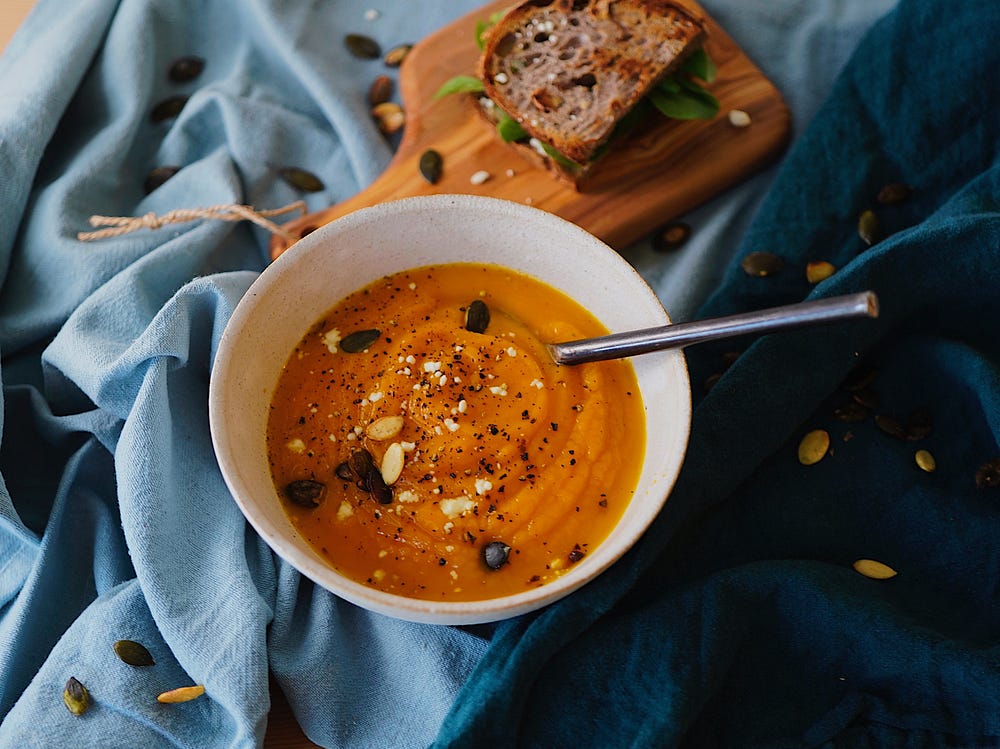
Some processed soups are so high in sodium they fulfill 60% or more of the RDA. For the sodium conscious, manufacturers often offer low sodium versions of the same product.
Seasonello Iodized Sea Salt is a good product.
In my constant quest to find cleaner and better products, I switched to Seasonello Course Sea Salt Enriched with iodine. It’s from the Italian island of Sardegna and is additive free.
It has great reviews, is available in fine and coarse grains, and packaged in glass. The coarse version isn’t housed in a grinder so you’ll need to supply your own.
The only ingredients are sea salt and iodine.
Each ¼ teaspoon of this contains 27% of the DV (daily value) of iodine and 393 milligrams of sodium (17% DV), a bit less than other brands.
I purchase it on-line through Amazon. The price can vary so its best to do price comparisons on different sites.
Hain Pure Foods Iodized Sea Salt
Hain Pure Foods is a reputable company. Their iodized sea salt supplies 45% of the recommended DV (daily value) and 590 milligrams of sodium or 26% DV per ¼ teaspoon.
This sea salt contains the additives tri-calcium phosphate to prevent clumping, dextrose to stabilize the iodine, and potassium iodine.
It’s a good product, affordable, and found in many local grocers and retailers. It’s more natural than processed table salt but does have additives.
To make sure I get enough iodine daily I also take a whole food multivitamin by MegaFood. For more on multivitamins, click here.
Click here for more of my product reviews, if interested.
I hope this information was useful. Please share and pass the word to others. If you have questions or comments, please reach out. I would love to hear from you.

Wishing you continued health and wellness.
Kimberly I
Updated December 2023 by Kimberly Iacoponi
Source
- Zeratsky, K. (2023, July 8). What’s the difference between sea salt and table salt? Mayo Clinic.https://www.mayoclinic.org/healthy-lifestyle/nutrition-and-healthy-eating/expert-answers/sea-salt/faq-20058512
Note: Any product mentioned is something I have used myself and benefitted from. I don’t receive revenue for any product recommendations or reviews, but if this changes, it will be noted.
The information provided is for educational and reference purposes only. It is not approved or intended to diagnose, treat, cure, or prevent disease or illness, suggest a specific treatment, or to be used as the replacement for or substitution of treatment by a qualified medical professional.
 Eudaimonic Well-Being