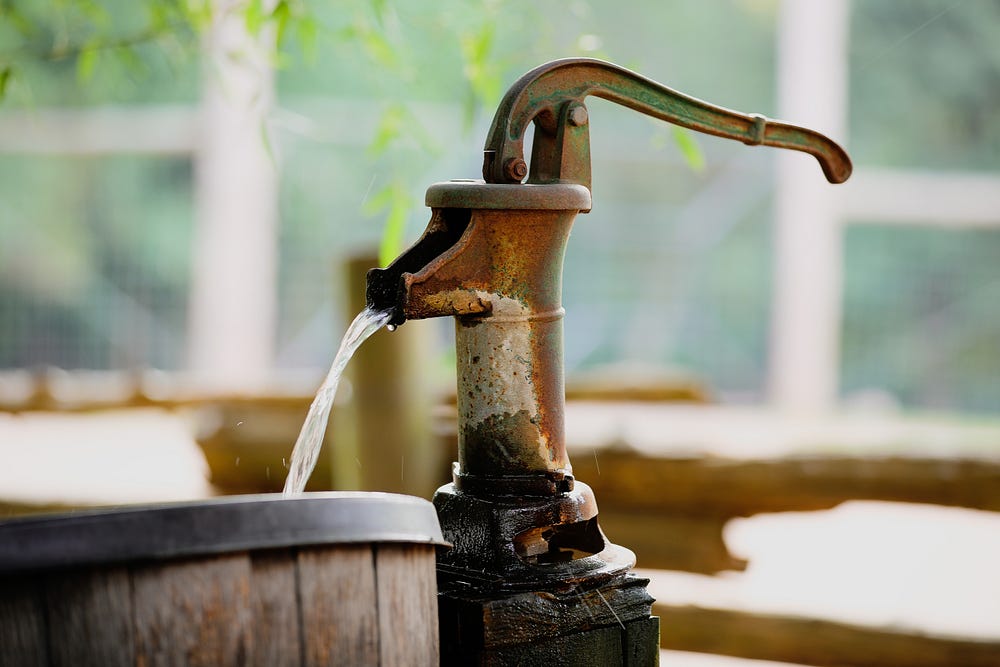
Why water is so important.
We wouldn’t run a car without the proper lubricants (oil, transmission fluid etc.), so why do we sometimes run our bodies without enough water.
Water fine tunes our bodies engines.
Reference books breakdown the amount of water needed daily according to age, sex, underlying conditions, illness, heat exposure, and activity level.
Sometimes that’s more information than we need or want to know.
What’s most important to remember is that EVERY system in the human body including all organs, tissues, cells, and fluids (blood, saliva, tears, urine, sweat, etc.) in some way relies on water to function.
What happens when the body doesn’t get enough?

Many of us know this experience. The early signs are fatigue, irritability, feelings of unrest, anxiety, dizziness, and headache.
There may be thirst, dry mouth, and as it progresses a deeper colored urine. The pulse may increase and some shortness of breath may be noted.
Dehydration in the young may present as lack of tears, changes in behavior, and decreased urination (dry diapers).

When we realize that we forgot to drink and have a large glass or two it often goes away. If there are underlying conditions or the dehydration is more severe, it may take longer or need medical attention.
Not enough water can cause digestive problems.
Anyone having constipation will agree that it can be uncomfortable. If you see a doctor for this, one of the first questions they’ll ask is “Are you drinking enough water?”
Here’s why the large intestine or colon needs water.
It’s the colon’s job to add some moisture to the waste for easier passage. When body water levels are low, the colon is programmed to remove water from the stool and shift it to other parts of the body as needed. This leads to dry waste and constipation.
Once established, constipation may require additional help to clear but drinking enough water daily can help restore balance.
Saliva and mucous contain a lot of water!
Dry mouth can decrease and thicken saliva affecting swallowing and food breakdown. Saliva cleanses the mouth and less of it means more food residue. This can cause mouth irritation, infection, and tooth decay.
Nasal and sinus passages can also be affected.
Water depleted, thickened mucus with dry nasal and sinus passages interfere with the filtering of germs and particles making us more prone to bloody noses, irritation, illness, and infection.
Our skin if not hydrated may become dry and cracked.
Dry skin is more susceptible to injury and infection, less able to act as a protective barrier, and less efficient in preventing fluid loss and regulating temperature.
Dehydration affects every aspect of our body.
Here’s an additional eye opener.
Believe it or not, it’s true. The brain, a fatty organ, can shrink in response to dehydration.

Studies have shown that lack of enough water may cause headache and irritability. Memory and concentration including focus and attention may also be affected.¹
One of the first things to go when I forget to drink enough is my concentration. I also get a bit irritable and anxious.
Not enough water can also affect joints, muscles, and blood pressure among others.
We know we need water, but how much is enough?
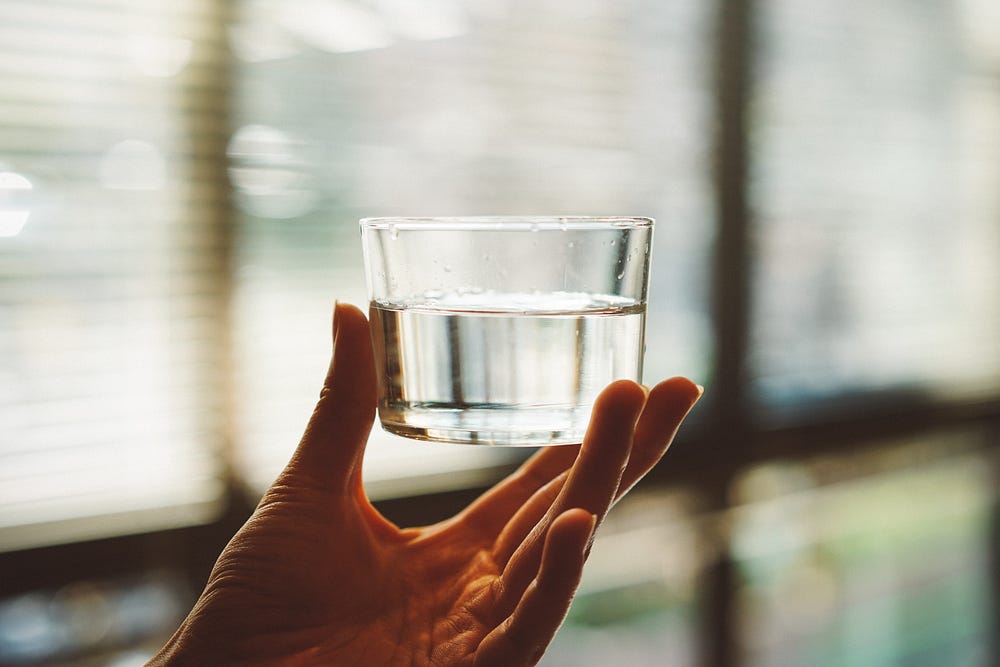
It’s no doubt that we need to give our bodies a consistent amount, but how much is enough?
For an adult, the general guideline is 64 ounces or eight, 8-ounce glasses of water daily adjusted for fluid loss or retention. Soups and broths are also counted. We can also get additional water from food.²
The daily eight, 8 ounce glass rule is a guideline. Some do well with less while others may need more depending upon underlying conditions and circumstances.
Some good food water sources are avocados, bananas, broccoli (cooked), cabbage, cantaloupes, carrots, celery, grapes, lettuce, oranges, pears, pineapples, spinach, strawberries, squash (cooked), tomatoes, watermelon, yogurt, and cottage cheese.³

Click here for a list of the water content and other benefits of 19 foods written by Healthline’s Brianna Elliot.⁴
Is it possible to overdo and drink too much water? Yes, overhydration can occur with certain mental illness, intense physical training, and some diseases and medical conditions. It isn’t as common and a topic for another day.
So…why do we drink less than we should?
I asked friends, neighbors, and family and received these answers.
It’s hard to remember.
I forget to bring it.
It tastes boring.
It’s inconvenient.
I get busy and forget. It’s easy to get busy with a project and forget to have water on hand and drink.
Somedays I do… somedays I don’t.
I just don’t like it.
I don’t feel thirsty.
Lack of thirst is common among the elderly who often have a decreased sensation, drink less in general, and are sometimes hospitalized with dehydration from not drinking enough water.
Helpful tips for daily water intake.

What can we do? Here are some suggestions to make it easier to drink “enough” daily.
- Drink before feeling thirsty.
- Drink consistently throughout the day. It only takes a moment. Dehydration takes your body longer to correct.
- Thirst is a message and reminder, please don’t ignore it.
- Drink before and after exercise. This includes lawn mowing, yard work, and other activities.
- Drink more on hot and humid days.
- Drink upon arising before breakfast to replenish from the night.
- Drink water on the way to work.
- Limit or avoid caffeinated and sugary beverages.
- Drink between meals and with each meal. Avoid cold beverages or drinking too much as they can hinder digestion, or drink 20 minutes before or after a meal if preferred.
- Watch children and older adults for dehydration.
- Drink a glass of water with medications, supplements, and snacks.
- Offer water to others periodically.
- Add natural flavorings like lemon, lime, or herbs (avoid artificial flavorings) to make water more appealing.
- Eat foods higher in water content.
- Notice changes in urine and drink more if it’s darker. Even better, consistently hydrate to keep it lighter.
- Avoid using mouth lozenges, lifesavers, cough drops, or gum to cover up thirst instead of drinking. They won’t rehydrate the body.
- If caffeinated drinks increase urination, drink more water to replenish loss.
- Limiting salty snacks may be helpful.
- Have a glass of water for each drink containing alcohol.
- Limit alcohol consumption, avoid overdrinking.
- Some medications, certain diets, and food preferences tend to dry out the body. Increase water intake as needed.
Here’s a quick reminder for those taking water pills (diuretics).
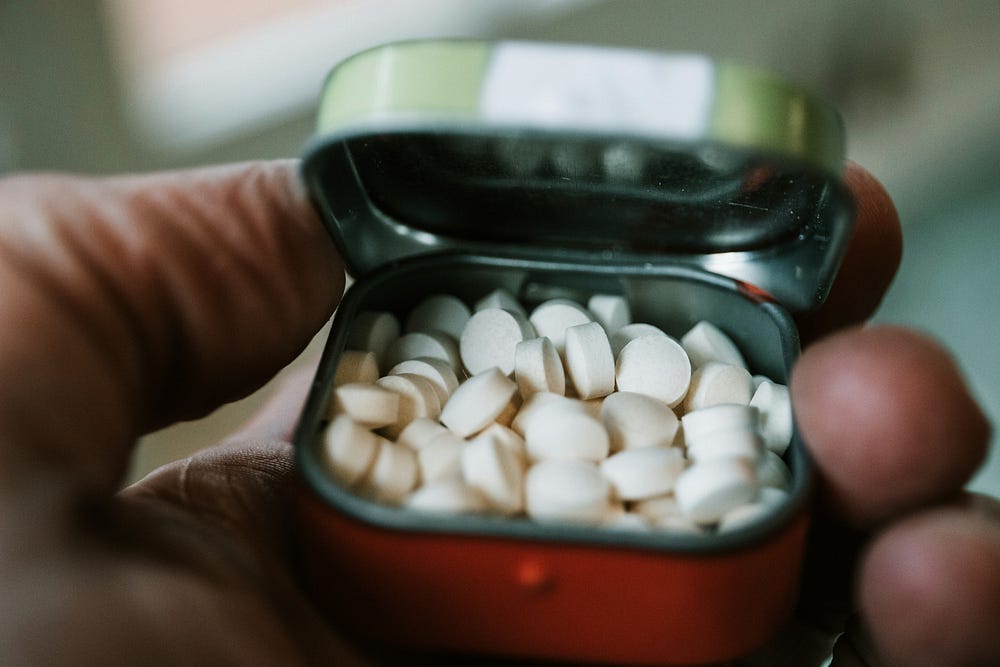
When the diuretic kicks in, the bathroom visits increase significantly. This can be inconvenient at times, but drinking less water to avoid frequent bathroom trips when traveling, at a doctor’s appointment, or shopping, could cause dehydration.
The medication in your system is clearing the fluid, and the water needs to be replenished.
When the water isn’t replaced, brain fog, irritability, anxiety, fatigue, and shortness of breath can occur making the trips and errands more difficult and less enjoyable. Please remember to drink.
Drinking enough water every day is important.
Paying attention to the body’s messages , keeping the urine color a lighter yellow, making a conscious effort to drink throughout the day, increasing intake when needed, adding flavor to make water more appealing, and eating foods containing water helps the body run more smoothly.
Reminding the young, elderly, ill or those with conditions that require more water to drink, will help ensure a consistent daily water intake.
Water plays a vital role in maintaining our well-being. A well hydrated body will thank you by performing at its best.
For additional information on how indoor humidity (water content) affects respiratory health, click here.
I hope this information was helpful. Please pass the word to others. If you have questions, suggestions, or comments, please reach out. I would love to hear from you.
Wishing you continued wellness.
Kimberly I
This information is for educational and reference purposes only. It is not approved or intended to diagnose, treat, cure, or prevent disease or illness, suggest a specific treatment, or to be used as the replacement for or substitution of treatment by a qualified medical professional.
Updated November 2023 by Kimberly Iacoponi
Sources
- Fotuhi, M. (2019, December 10) “Hydration Is Key: Water Your Brain! NeuroGrow. https://neurogrow.com/water-your-brain/
- Gunnars, K., Butler, N. (ed.). (2020, November 5). “How Much Water Should You Drink per Day?” Healthline. https://www.healthline.com/nutrition/how-much-water-should-you-drink-per-day
- Gordon, B. (2019, November 6). “How Much Water Do You Need.” EatRight. https://www.eatright.org/food/nutrition/healthy-eating/how-much-water-do-you-need
- Elliott, B. (2017, August 6). “19 Water-Rich Foods That Help You Stay Hydrated.” Healthline. https://www.healthline.com/nutrition/19-hydrating-foods
 Eudaimonic Well-Being